
Jellyfish from the Stars?
The Philippines has seen its share of sky spectacles over the years. On April 11th, 2026, around 7:40 PM, bright lights and a reddish-orange “space jellyfish” phenomenon dazzled observers across parts of the country. The Philippine Space Agency (PhilSA) swiftly identified it as the exhaust plume from China’s Jielong-3 rocket launch, illuminated at high altitude while the ground was in darkness. Later, a similar glowing blob appeared in mid-May, this time pegged to a Chinese Long March 6A rocket. Videos went viral, with kids asking if it was a spaceship and adults reminiscing about their first close encounters with local space aliens, aka. politicians.
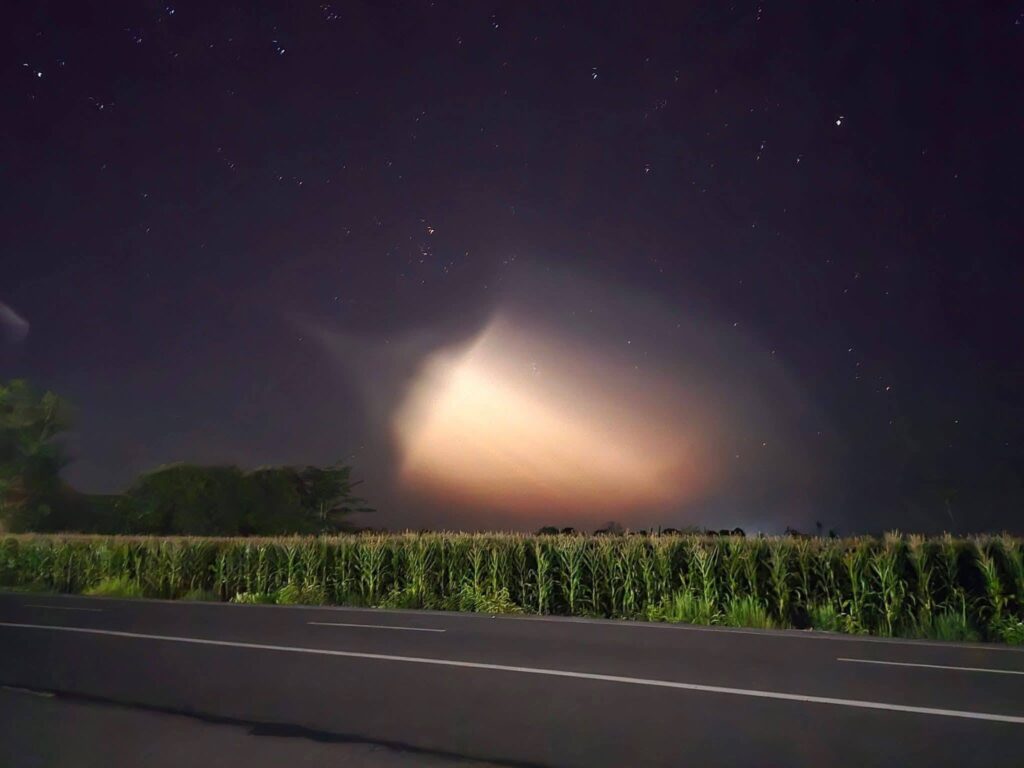
Other reports included mysterious tic-tac-shaped objects, lights near military bases, and an underwater USO (Unidentified Submerged Object) tracked near Philippine waters. A May 25th, 2026 meteor strike near the active Mt. Mayon volcano was followed by a puzzling white light, sparking fresh “not aliens” explainers from astronomers like Avi Loeb. ABS-CBN’s “Philippines’ Strangest Mysteries” episode in late June highlighted flying saucer sightings at Valencia Elementary School in Ormoc, Leyte and other oddities. PhilSA keeps debunking, but the public keeps filming.
Natuna Orbs and Fiery Descents
Indonesia’s vast skies and seas proved fertile ground for UFO chatter. In early April of 2026, a bright glowing object with a flame trail descended slowly over Lampung province, captured in viral videos. Social media erupted with alien landing theories, citing its un-meteor-like vertical drop. Authorities, including BRIN, attributed it to Chinese space debris or rocket trails, but the buzz lingered.
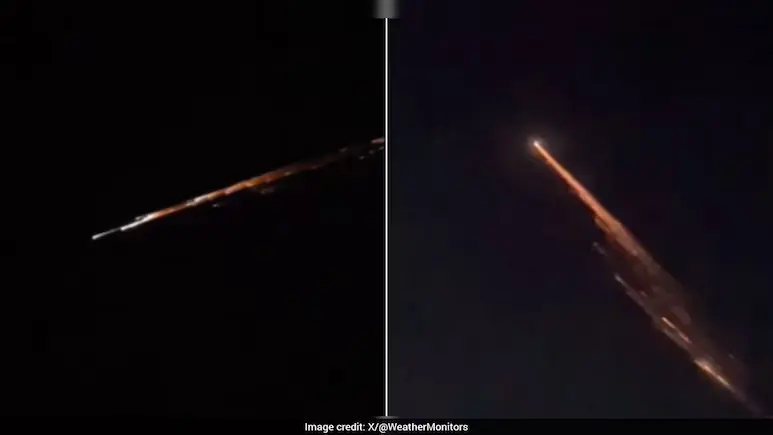
The star of the show was the Natuna Sea incident (viral in April 2026 narratives). Claims circulated of a UFO recorded by a TNI AL CN-235 maritime patrol aircraft around April 8. Videos and images, including one resembling a chandelier or star-shaped object, spread like wildfire on TikTok (over 14 million views for some clips). Fact-checkers pushed back, suggesting misidentified conventional phenomena or even hoaxes, but the story of radar-tracked orbs near sensitive waters added tension to Indonesia’s already busy maritime domain awareness efforts.
Khao Kala’s Buddhist Buddy Bizarros
Thailand turned potential panic into promotion. The long-standing hotspot is Khao Kala hill in Nakhon Sawan province, dubbed Thailand’s Area 51. Since the late 1990s (with renewed attention in recent years), meditators from the UFO Kaokala group have reported bright lights, hovering objects, and telepathic communications with silver-skinned, benevolent aliens who speak through telepathy and warn of disasters. Founder figures like Sergeant Major Cherd Chuensamnaun, and later Ajarn Wassana Chuensumnaun, described aliens disembarking, walking around sugarcane fields, and vanishing in puffs. The site even ties into broader claims of presaging events like the Fukushima (Japan) tsunami.
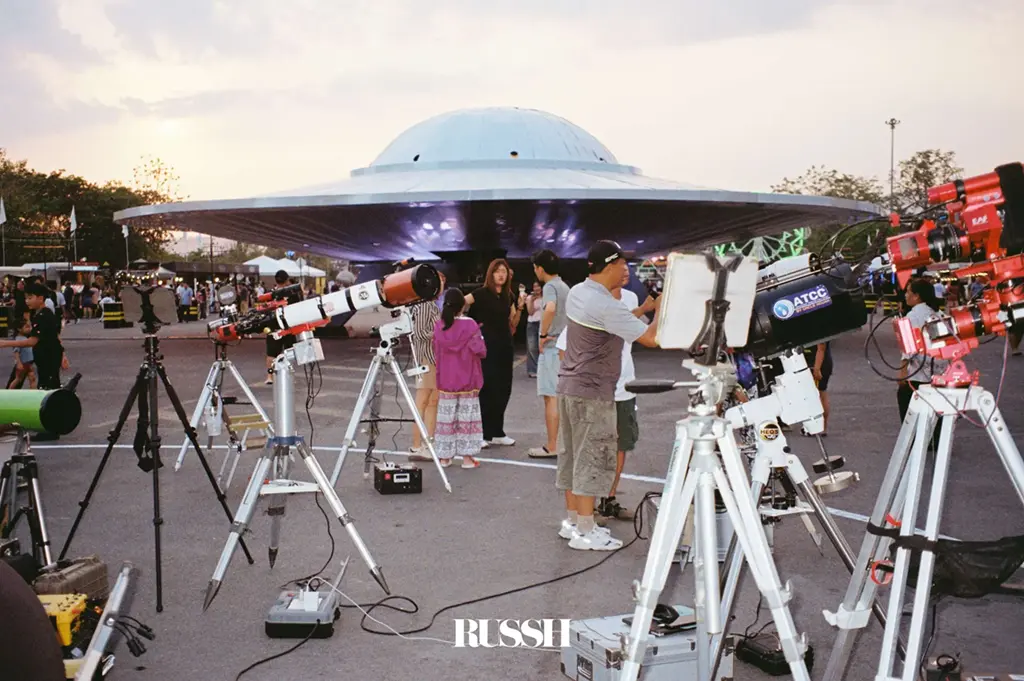
In February 2026, the Tourism Authority of Thailand capitalized on the reports with the first “Thailand UFO Days” festival at Khun Dan Prakan Chon Dam in Nakhon Nayok. Attendees in alien costumes, skywatching sessions, and crashed saucer props drew crowds. A related film, Khao Kala, premiered and hit Cannes, blending local beliefs with extraterrestrial mystery.
The 3rd Threat Element
ASEAN’s military cooperation relies on clear rules of engagement, shared intel, and predictable risks. Introduce a 3rd, previously-unknown Element, and things get complicated quite quickly.
Imagine Philippine Air Force fighter jets scrambling to intercept a “jellyfish” over Manila Bay that suddenly accelerates away like no earthly drone, Indonesian naval assets in Natuna chasing radar ghosts that dive underwater without a splash, and Thai forces wondering if the lights over Khao Kala are hostile probes or just friendly cosmic tourists dropping by for durian. Response times stretch as commanders debate: “Is this a new Chinese hypersonic? A U.S. black project? Or… actual little green men ignoring our sovereignty claims?”
With no annex in the standard operating procedures for “possible alien visitation”, joint exercises could grind to a halt amid protocol gaps. Escalation risks twitchy trigger fingers attempting to bring down objects that defy physics, which would suddenly place ASEAN in an interstellar incident. Or best case, the visitors broker peace in the South China Sea with superior wisdom (or maybe anti-gravity tech causing PLAN ships attacking Filipino fishing boats to float up harmlessly, 1000 feet in the air).
Skeptics rightly note most incidents trace to rockets, meteors, drones, or optical illusions. Yet in an era of smartphone ubiquity, “Disclosure” in the US, and great-power posturing, the sightings keep coming, forcing defense thinkers to game out all possibilities. ASEAN militaries pride themselves on adaptability, but what can you do with shiny Buddhist aliens who meditate better than your average monk? That’s a whole new level of regional uncertainty.
Until official contact (or the next rocket launch), ASEAN should keep one eye on the skies, the other on its radar screens, and hope ET doesn’t become addicted to Peking Duck. 👽🛸