

Exploitation of the Clark and Subic Freeports in the Philippines as centers for money laundering by South and North Korean elements has been a problem since 2016. The origins of these practices are traced to the pioneering role of Chinese Philippine Offshore Gaming Operators (POGOs), which established sophisticated networks for illicit financial flows under lax regulatory environments.
Corruption within freeport management has facilitated these activities through Korean-operated casino hotels, restaurants, and grocery stores, often serving as fronts for laundering operations. Drawing on recent governmental intervention reports, South Korea’s efforts to arrest and repatriate its citizens involved in such schemes are now being spotlighted, underscoring the transnational nature of these crimes and the need for enhanced international cooperation.
“Free”-Ports
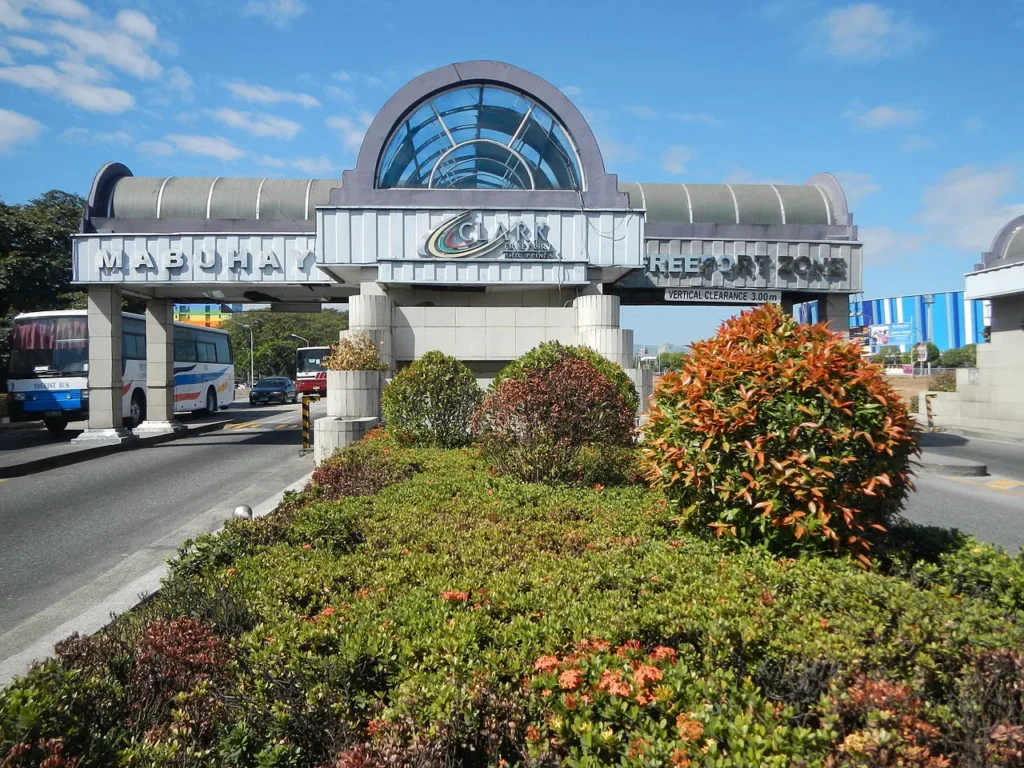
The Clark and Subic Freeports, originally established as economic zones to attract foreign investment following the departure of U.S. military bases in the early 1990s, have evolved into hubs for various economic activities. However, their strategic location, tax incentives, and relatively autonomous governance have also made them vulnerable to exploitation for illicit purposes, especially money laundering.
This phenomenon intensified during the administration of former Philippine President Rodrigo Duterte (2016–2022), when the proliferation of POGOs (“Philippine Online Gaming Operators”) primarily targeting Chinese markets created a blueprint for transnational criminal networks. These networks have been adopted and adapted by Korean actors, both from South Korea (involved in fraud and scams) and North Korea (state-sponsored cybercrimes to generate foreign currency), leveraging corruption in freeport management to sustain operations via businesses like casinos, hotels, restaurants, and grocery stores.
Money laundering in these zones involves converting illicit funds – derived from cyber fraud, drug trafficking, and human exploitation – into “legitimate” assets. While Chinese POGOs pioneered the infrastructure, Korean involvement represents a diversification of threats, compounded and exacerbated by local corruption. South Korea’s proactive measures to curb these activities are finally beginning to kick in, offering insights into potential mitigation strategies.
The Rise of POGOs
POGOs emerged in the Philippines in 2016 as licensed offshore gaming entities, ostensibly to generate revenue through online gambling services aimed at foreign markets, particularly China, where gambling is prohibited. Under Duterte’s administration, the Philippine Amusement and Gaming Corporation (PAGCOR) issued licenses that allowed rapid expansion, with operations concentrated in economic zones like Clark and Subic for their logistical advantages (substantial internet systems used in the call center industry) and regulatory leniency.
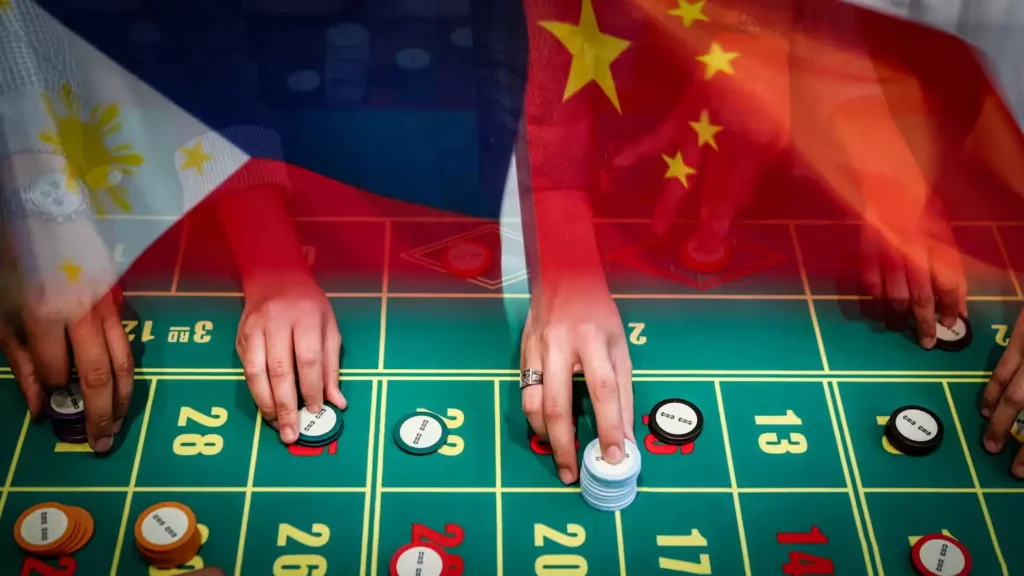
Chinese operators were instrumental in developing a “system” for money laundering within these hubs. This involved establishing integrated complexes that combined gaming facilities with ancillary services such as residential spaces, supermarkets, and brothels with imported Chinese and Vietnamese prostitutes, creating self-contained ecosystems.
These setups facilitated the laundering of proceeds from scams, human trafficking, and other crimes by funneling funds through cryptocurrency exchanges, junket operators, and cash-intensive businesses. For instance, raids on POGO compounds in the Sun Valley (2023) and Fontana (2024) residential areas on Clark revealed operations blending online gambling with scamming activities, generating billions in revenue while evading detection through layered financial transactions and local government cover.
The “pioneering” aspect lies in the scalability and adaptability of this model. Chinese syndicates exploited regulatory gaps, such as PAGCOR’s sub-licensing practices, to proliferate unlicensed “mini-POGOs” that masked fraud rings. This infrastructure, characterized by high-volume cash flows and minimal oversight, set the stage for Korean syndicates (both North and South) to enter and repurpose the system for their own illicit ends.
K-Korruption
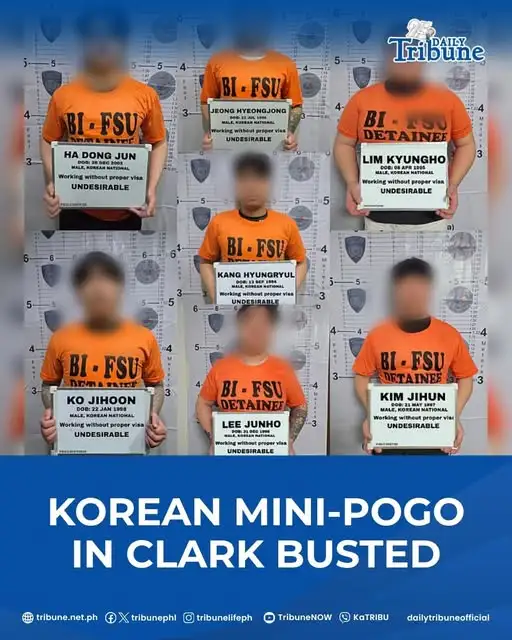
Building on the Chinese POGO framework, North and South Korean actors have increasingly utilized the Clark and Subic Freeports for money laundering. South Koreans, operating smaller-scale “mini-POGOs,” have been implicated in telecom fraud and pension swindling schemes, with funds laundered through businesses in the zones. For example, arrests in Clark have uncovered South Korean nationals running condominium-based operations that defrauded victims and laundered proceeds via local banks and cryptocurrency.
Conversely, North Koreans masquerading as South Koreans living inside Clark and Subic are state-directed, focusing on cyber-enabled thefts. The 2016 Bangladesh Bank heist, attributed to North Korea’s Lazarus Group, saw $81 million laundered through casinos both inside and outside the Freeports, via junket operators and cash conversions. North Korean networks share laundering channels with Southeast Asian criminal groups, using casinos and unregulated exchanges to integrate illicit funds into the financial system.
Korean-operated businesses, such as casino hotels, restaurants, and grocery stores, serve as fronts. These establishments handle high cash volumes, allowing the commingling of dirty money with legitimate revenues. In Clark, Korean-run condominiums and entertainment venues have been raided for housing scam operations, with funds repatriated or invested locally.
Until recently, 5-6 flights from Incheon arrived between Midnight and 5 AM every night at the Clark airport, packed with Koreans carrying billions of Wan hidden in their clothing or baggage that would be converted into Pesos or US Dollars through “lost leader” gambling or product purchasing methods in the seven casinos, ten grocery stores and nineteen restaurants – all Korean owned or controlled – in that Freeport.
Local Government Enabling
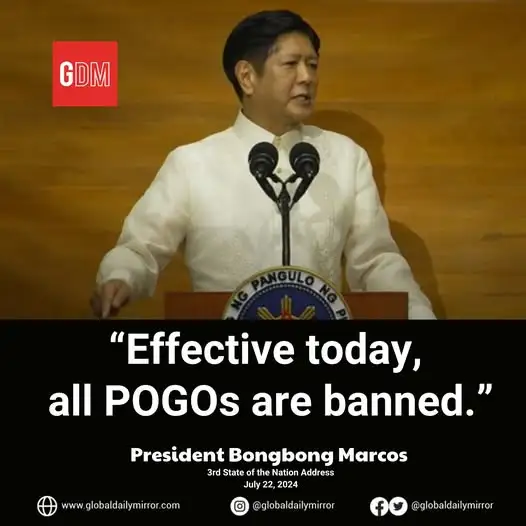
Corruption within the Clark Development Corporation (CDC) and Subic Bay Metropolitan Authority (SBMA) has been pivotal in enabling these activities. Lax enforcement, bribery, and regulatory capture allow illicit operations to thrive. For instance, freeport officials have been accused of overlooking unlicensed POGOs in exchange for kickbacks and facilitating the establishment of Korean fronts. Some CDC officials even quit their highly-coveted government jobs to work for POGOs, only to somehow be hired back after Pres. Bongbong Marcos kicked them out of the country in 2024-2025.
This corruption manifests in delayed raids, forged documents, and selective enforcement. Korean businesses exploit these vulnerabilities by embedding within freeport economies, using hotels and restaurants for cash-intensive laundering and bulk employment blocs. Broader systemic issues, including judicial inefficiencies and agency graft, exacerbate the problem, as highlighted in international assessments of Philippine corruption.
South Korean Government Crack-Down
In response, the South Korean government has intensified efforts to arrest and repatriate citizens involved in overseas fraud and laundering. Large-scale operations, such as the 2025 repatriation of 49 fugitives from the Philippines, demonstrate coordinated action with local authorities to dismantle networks. Similar initiatives in Cambodia have seen dozens returned for prosecution, with police seeking no-bail detention for most suspects.
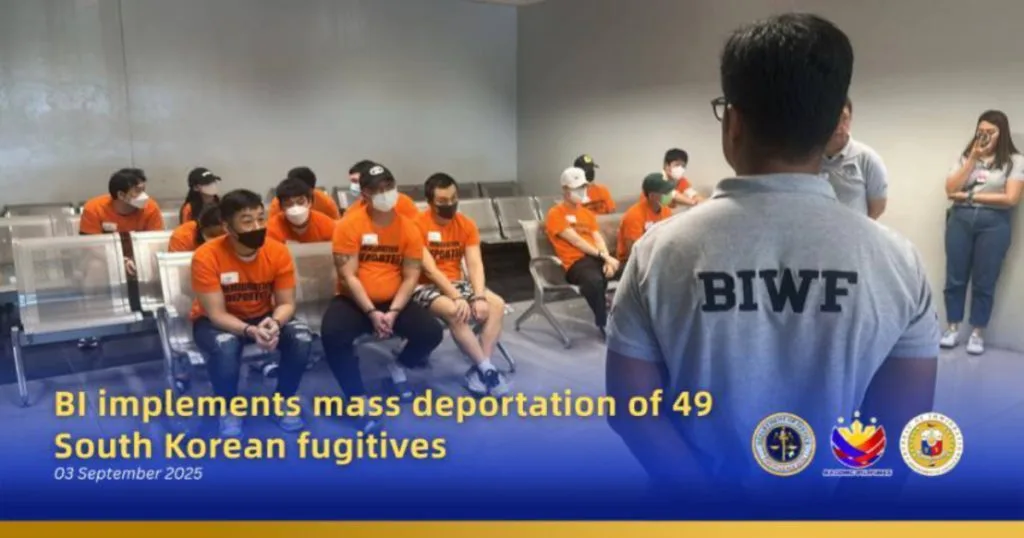
These measures include enhanced intelligence sharing, travel bans to high-risk areas, and investigations into recruitment networks exploiting vulnerable youth. While effective in disrupting individual operations, they highlight the need for broader reforms to address root causes in host countries like the Philippines.
Bi-Partisan Efforts Needed
The Clark and Subic Freeports’ transformation into money laundering hubs underscores the perils of unregulated economic zones. Chinese POGOs provided the foundational system, which Korean actors have exploited amid enabling corruption. South Korea’s repatriation efforts offer a model for relief, but sustainable solutions require Philippine regulatory overhauls, anti-corruption drives, and international collaboration to safeguard these zones from further abuse.