

DISCLAIMER: The new US Ambassador to the Philippines, Lee Lipton, is the first non-career State Department Envoy to hold the position in 57 years. As such, he can’t be held responsible for what is described below, but – as a private sector leader with considerable experience in crisis management – shall certainly gain valuable knowledge from it and hopefully (emphasis on the word) implement the needed policy revisions.
Anywhere But Manila – As Long As It’s North
The story of Pax Silica in the Philippines thus far seems like scenes out of a Keystone Cops movie. Washington’s idea is not a bad one: secure the chip, mineral, and data-center chain outside China’s grip, put allied money on allied soil, let Clark and Luzon become something more than a former space shuttle runway with a shopping mall attached. The execution, however, had all the forethought of a debutante ball held in a New Orleans cathouse.
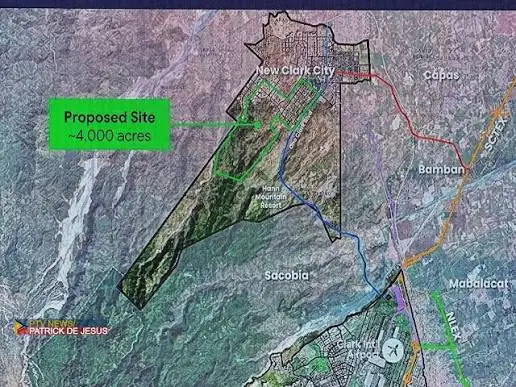
In April, when The Philippines joined Pax Silica, Washington announced plans for a 4,000-acre Economic Security Zone in the Luzon Economic Corridor. A site visit followed and a marker was unveiled. Investment figures crowed that it “could draw $40 to $70 billion at full build-out”, with the serene confidence of a freckle-faced PowerPoint creator who never met a Barangay Captain. Construction, according to the more honest briefings, might start in 2028. In the meantime, the project has already generated more photo ops and funny memes than Bato dela Rosa running through the Senate halls to cast his useless vote.
The problem is not ambition; it is procedural sequence. In this part of the world, you do not announce the wedding, print the invitations, then ask the bride if her drunk uncles are allowed on the property. You keep the plans low key, shake the right hands subtly with NDA’s, get steel in the ground, and then throw a party. Foggy Bottom did it “baliktad” (in reverse). They made hay of the initiative before the hay had even been planted.
Pampanga Ain’t Kansas, Toto
Kapampangan culture has a saying for the resultant tsunami of public protests, negative local press, and heads splitting open on social media: “Dakal a Pekapun, Alang Gagawa king Obra”, or basically the same as “too many chiefs; not enough Indians”. Once the cameras started rolling, every agency, local government, and “consultant” with a cousin in the right office insisted that they, too, were a stakeholder in silicon peace.
The project suddenly acquired more co-chairs than an Armenian wedding has sponsors. Permits multiplied. Questionable interpretations of “U.S. law on Philippine soil” appeared online, then hastily disputed, then deleted. A 99-year lease floated through the headlines like a trial balloon that forgot it needed helium. None of this is mysterious to anyone who has ever tried to put a fence on a lot in Pampanga. It causes confusion only in the minds of people who think a joint communiqué is the same thing as a building permit.
Malaysians Make No Bones About It
Malaysia has a more straightforward slogan for the same phenomenon. Veteran operators there will tell you, without lowering their voice much, that big foreign projects run on Chicago politics rules, a’ la, “Cut me in or cut it out”. The required assuagement isn’t always cash in an envelope. Sometimes it is a joint venture that exists mainly on letterhead, or sometimes it is a “local partner” whose principal contribution is the ability to answer a phone.

Often it is simply the understanding that a ribbon-cutting without the right guest list is an invitation to delay or cancelation. Announce too early and every faction in the room assumes the pie is already baked and they were not offered a slice. At that point the project may not die, rather enter a long, laborious baker’s contest with all the chef’s arguing over the frosting.
Vietnam, Thailand, and the rest of the circuit have their own dialects of similar grammar. Quiet groundbreaking first; speechifying later. The American instinct is the opposite. “This is not aid. This is not a subsidy. This is something we are building together,” the blonde-haired, blue-eyed, 36-year-old Undersecretary gleefully declared, standing atop ground that was still, in the most literal sense, dusty. As of this writing, it is underwater. Of course, the sentiment is noble, but it immediately invites every local potentate within smelling distance to lean out the window and ask, together with whom, and where is my name on the board?
Wisdom from the messenger: This is the sort of costly naivete’ engendered and promulgated when diplomats are limited to three or four – year tours in a region where it takes decades for Westerners to properly comprehend the respective cultural mindsets.
Heart in the Right Place, Head Needs Adjusting
None of this describes a conspiracy. It shows the collision of two operating systems. One believes that transparency and a well-lit announcement create momentum. The other knows that a well-lit announcement creates claimants. One system thinks a marker is progress. The other views it as a target.
The tragi-comic part is that the underlying intent is still well-placed. The Philippines has nickel, copper, talent, and a treaty ally’s geography. Malaysia already knows how to package a chip. Vietnam is sprinting up the same ladder. Pax Silica did not invent the logic; it just put a Latin name on it and invited thirteen countries to drink at the well. The launch party in Capas and Bamban, unfortunately, became the flawed strategy there.
Ignore Trailblazers at your Peril
Americans who have spent most of their lives in Southeast Asia are generally disdained by incoming Staties, DOJ and Law Enforcement folks, who fervently believe they know better after sleeping through 2-day familiarization courses on their country of assignment. Eastern adventurers who chose not to seek counsel from the Kit Carsons and Jim Bridgers of the old West ultimately met with disaster, all the while believing they knew better, right up to the moment of scalping by the same tribes they had been lavishly feted by.
In the Philippines’ case, the correct sequence of the Pax Silica project would have been boring, yet practical: quiet site control, stealth installation of power + water, and procurement of local equity real enough to keep the chiefs from multiplying. Then, when the first cleanroom actually hums, you fly in the principals, uncork the champagne, and let the world photograph a factory instead of a podium.
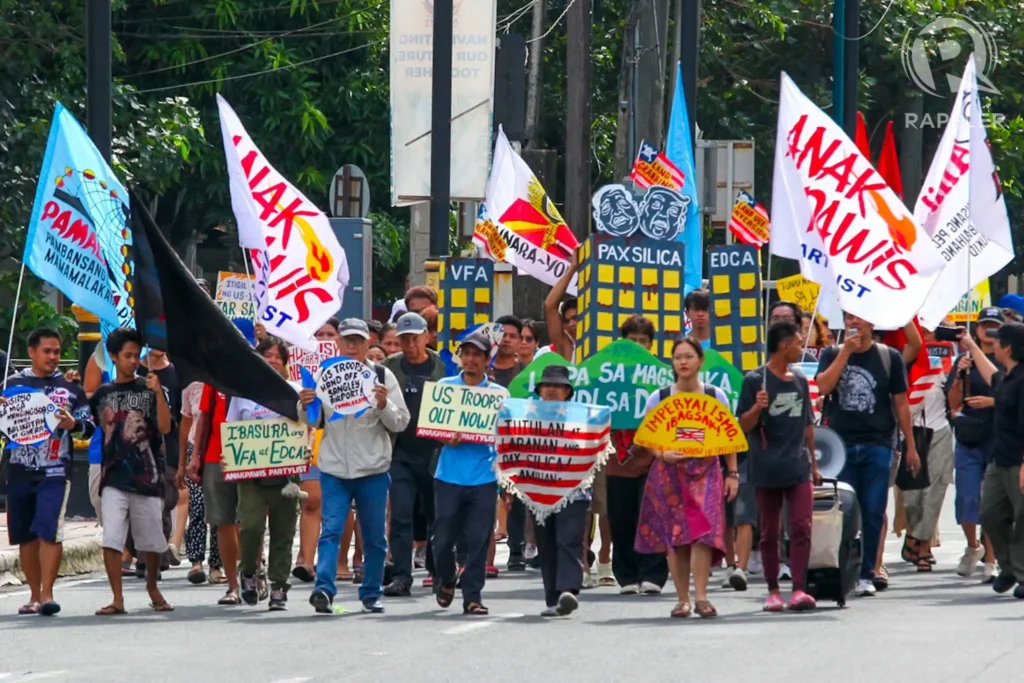
Until that lesson lands, U.S.-backed projects in the region will continue to take form the same way visiting delegations show up at Clark, Subic, and Mactan today – with excellent talking points, a full itinerary of 5-star receptions, followed by the inevitable, startled expressions when large groups of protesters from Aeta/Agta tribes show up outside the banquet halls with their Kalabaw in tow.
Save the wafer-shaped canapés for opening day. The region has seen enough markers and parties. Its peoples would like, just once, to see a loading dock.