
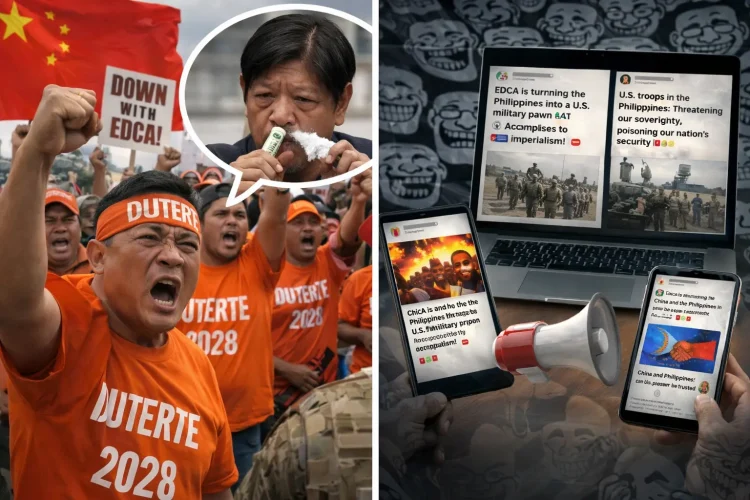
The Philippines under PBBM has emerged as a significant frontline partner in the U.S.-led containment strategy toward China, particularly through the expansion of the Enhanced Defense Cooperation Agreement (EDCA). This has granted U.S. forces access to nine bases, including strategic sites near Taiwan and facing the South China Sea, facilitating joint exercises, missile deployments, and rapid response capabilities. Beijing views this deepening alliance as a direct threat to its regional dominance and core interests, including its claims over disputed maritime features.
In response, China appears to be employing a sophisticated array of covert influence operations aimed at sowing domestic discord in the archipelago. These methods exploit existing political fractures, most notably the intensifying feud between the Marcos administration and the Duterte family, to erode public and elite support for pro-U.S. policies.
While China consistently denies interference, asserting it distances itself from the internal affairs of other countries, substantial evidence from investigations, takedown of platforms like Meta, and reports by firms such as Graphika and Reuters points to state-linked subterfuge campaigns. The objective is clear: destabilize Manila’s foreign policy apparatus, weaken the U.S.-Philippines alliance, and create opportunities for a more pro-China leadership in the 2028 election.
Coordinated Disinformation and Influence Campaigns on Social Media
China’s most prominent tool is digital influence operations, often outsourced to local proxies to maintain plausible deniability. These campaigns leverage platforms like Facebook, X, TikTok, and YouTube to amplify divisive narratives.

- Troll Farms, Fake Accounts, and Local “Cheerleaders”: Investigations have revealed Chinese embassy funding of Philippine-based marketing firms, such as InfinitUs Marketing Solutions, to operate networks of inauthentic accounts. These profiles spread content undermining the Marcos government’s maritime assertions, criticizing the U.S. alliance, and promoting pro-China viewpoints. Accounts have disparaged Philippine sovereignty claims and portrayed U.S. military presence as provocative or imperialistic. Graphika has identified markers of inauthenticity, such as coordinated swarming of critics and inorganic engagement patterns. On the ground, familiars (ref. Dracula’s Renfield) like the Manila Times opinion columnist Rigoberto “Bobi” Tiglao – a shrill, annoying critic of the U.S. for many years – are deployed to dirty the mainstream media pool.
- Amplification of Domestic Divisions: Operations exploit the Marcos-Duterte rift by boosting pro-Duterte content, including deepfakes targeting Marcos (e.g., alleged drug use videos circulated ahead of key addresses) and narratives framing him as a U.S. puppet escalating tensions. Pro-Duterte influencers, some with documented ties to China-funded programs, have been amplified to fuel polarization. Reports indicate Chinese-aligned accounts seeded rumors of civil war or Mindanao secession during Duterte-aligned protests, exaggerating internal instability.
- Election Interference: Ahead of and during the 2025 midterm elections, Philippine officials, including the National Security Council, detected signs of Chinese-backed efforts to support Beijing-friendly candidates (often Duterte-aligned) while discrediting pro-Marcos figures. This included troll farms paid by embassy-linked entities to spread disinformation on issues like the South China Sea.
These operations align with broader “Spamouflage” networks tracked globally, adapting tactics tested in Taiwan and elsewhere to the Philippines’ social media-heavy political landscape.
Elite Capture and Proxy Influence
Beyond digital realms, China cultivates relationships with influential Filipinos perceived as sympathetic.
- Awards and Incentives: The Chinese embassy has bestowed cash awards and recognition on prominent officials, media personalities, and influencers via groups like the so-called “Association for Promoting Philippines-China Understanding”. Some pro-Duterte vloggers admitted attending China-funded training in Beijing.
- Think Tanks and Proxies: Local entities, sometimes registered obscurely, push pro-Beijing narratives, downplaying maritime disputes and criticizing U.S. bases as threatening.
This “elite capture” aims to create a domestic lobby advocating accommodation with China, contrasting Marcos’s assertive independence stance.
Cyber Operations and Economic Leverage
- Cyber Espionage and Attacks: A sharp increase in malicious cyber activity targeting Philippine government and military entities has been attributed to China-linked actors, potentially gathering intelligence to exploit vulnerabilities or disrupt operations.
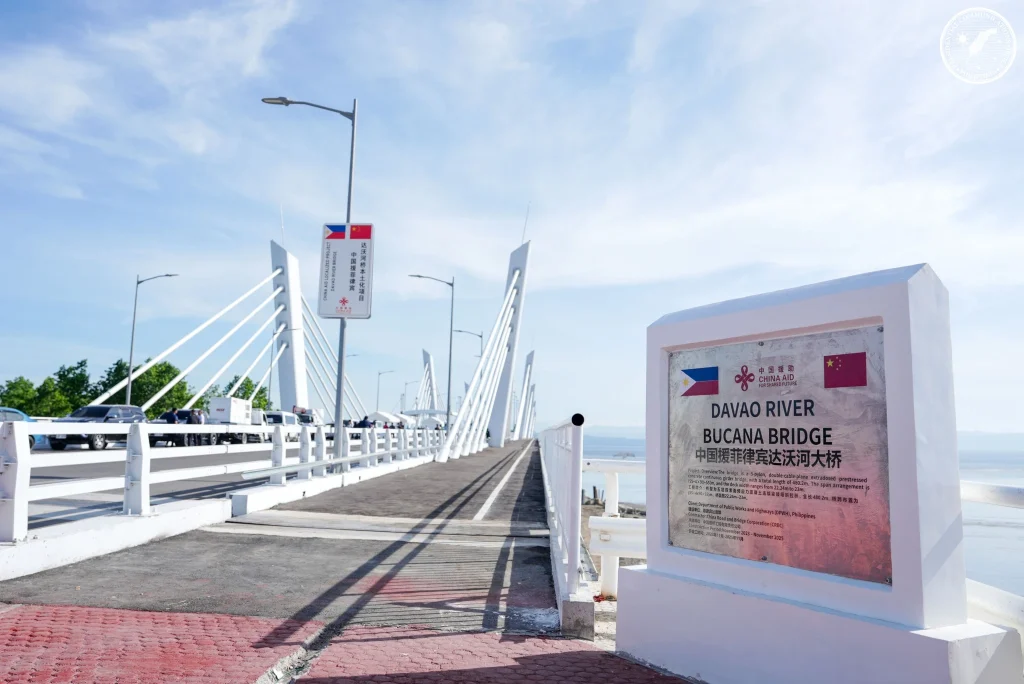
- Economic Coercion: While not direct unrest-fomenting, selective aid and investment (i.e., infrastructure loans) reward cooperative factions and regions (such as Davao), indirectly pressuring anti-China voices.
Strategic Rationale Targeting U.S. Military Expansion
These methods are calibrated to frustrate U.S. gains without escalating to actual conflict. By exacerbating the Marcos-Duterte feud, where the Dutertes historically favored rapprochement with China, Beijing seeks to:
- Divert governmental focus from maritime defense to internal crises
- Erode public support for EDCA expansions and joint patrols
- Position pro-Duterte forces for future electoral success, potentially reversing the Philippines’ pivot toward Washington
The 2025 midterms, where Duterte allies performed strongly despite Marcos’ efforts, underscore partial success in this approach.
Potential Backlash on China
Such operations carry unavoidable risks: heightened Filipino nationalism against Chinese aggression, stronger U.S.-Philippine ties in response to interference revelations, and international scrutiny of such efforts. Public opinion remains overwhelmingly anti-China on maritime, online gambling (POGO), and economic issues, limiting narrative penetration.
China’s chosen methods, primarily disinformation via proxy networks, amplified by elite incentives and cyber tools, represent a fragile, hard-to-manage “gray zone” strategy. By fueling unrest tied to domestic rivalries, Beijing aims to blunt the strategic threat posed by expanding U.S. military access but also risks bathing in its own manure.