
Foreigners beware
Across Southeast Asia, criminal cyber libel and online defamation statutes are generating measurable discouragement among foreign investors. Potential entrants hesitate over the risk that routine commercial criticism, contract disputes, or public statements by executives could trigger criminal complaints, asset freezes, or protracted litigation. Existing foreign-owned firms increasingly weigh relocation or reduced exposure inside the bloc when they see ownership or management of other overseas-based companies facing formal threats or charges.
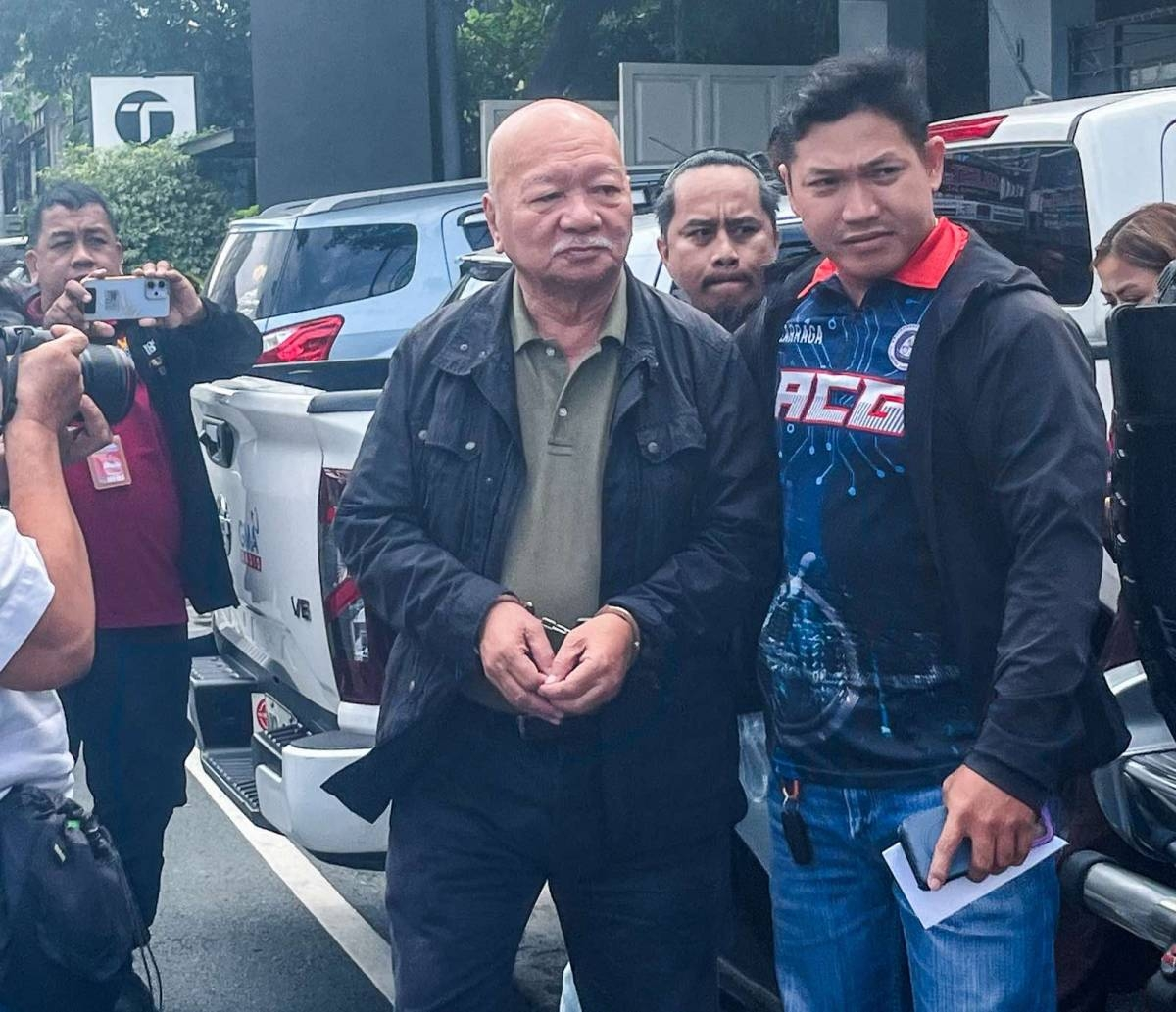
The Philippines stands out as the most daunting case. Republic Act 10175 (the Cybercrime Prevention Act of 2012) incorporates the Revised Penal Code’s libel provisions and raises the penalty to a higher level when the offense occurs “through a computer system.” Conviction can bring imprisonment of roughly four years and two months to eight years, plus substantial fines. Jurisdiction reaches conduct with any Philippine nexus, and the law has been applied against journalists, anti-corruption activists, and private parties, Filipino and foreigners alike.
A notable, high-profile case against an American – the 2020 cyber libel conviction of dual citizen former CNN Bureau Chief in Manila and Jakarta, Nobel Peace Prize laureate Maria Ressa – underscores how readily online commentary can become a criminal matter. International observers and local press groups have long described the statute as producing a repressing effect on free expression; the same dynamic extends to foreign commercial actors who fear that ordinary business advocacy or dispute resolution could be reframed as defamation.
Westinghouse, burned – Czechs, railroaded
Two historical episodes illustrate the practical impact. Westinghouse Electric’s long entanglement with the Bataan Nuclear Power Plant (located in the Morong/Bagac area adjacent to Mariveles) involved years of litigation over alleged irregularities in contract award and construction. U.S. court records documented threats of official action, public vilification, and retaliation directed at witnesses and local associates linked to the company. Executives and counsel contemplating site visits or further engagement faced an environment in which commercial disagreements readily escalated into personal and legal exposure. Although the plant itself was never commissioned and a later settlement occurred, the episode left a lasting impression of elevated political and legal risk for foreign management.
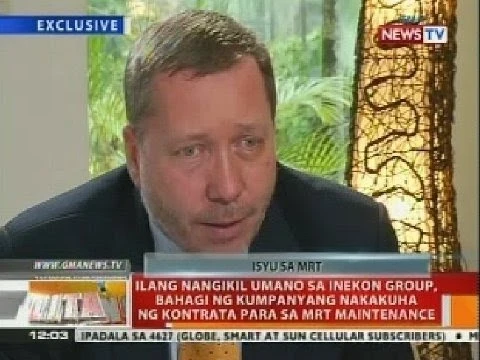
A more recent example is the Czech rail manufacturer Inekon Group. In 2012, its senior executives (including the board chairman and CEO) visited the Philippines in connection with a potential supply contract for Metro Rail Transit Line 3 coaches. According to affidavits later filed by the Czech ambassador and company officers, local intermediaries and officials allegedly demanded a large “facilitation” payment – initially cited in the tens of millions of dollars – to secure the award. Inekon declined, not realizing what a tsunami of trouble was soon to follow.
Despite its good-faith whistleblowing, Inekon was effectively sidelined and declined to re-bid on the project. Perhaps unsurprisingly to many observers, the ₱3.8-billion (US$90-million in 2012) contract went to a train coach manufacturer owned by a Chinese government SOE (State – Owned Enterprise). That organization allegedly agreed to render Lagay/Padulas (which is exactly what it sounds like) but ultimately delivered defective products and never got fully paid.
Subsequent media coverage of the story triggered libel complaints against the Czech ambassador and numerous Philippine journalists. The combination of purported extortion, blacklisting, and ensuing legal threats demonstrated how quickly foreign ownership and management can become targets when a commercial opportunity collides with local power structures. Investors tracking the case concluded that even a well-documented grievance could expose visiting executives to criminal charges under Philippine speech laws.
Rest of ASEAN not so bad, but still…
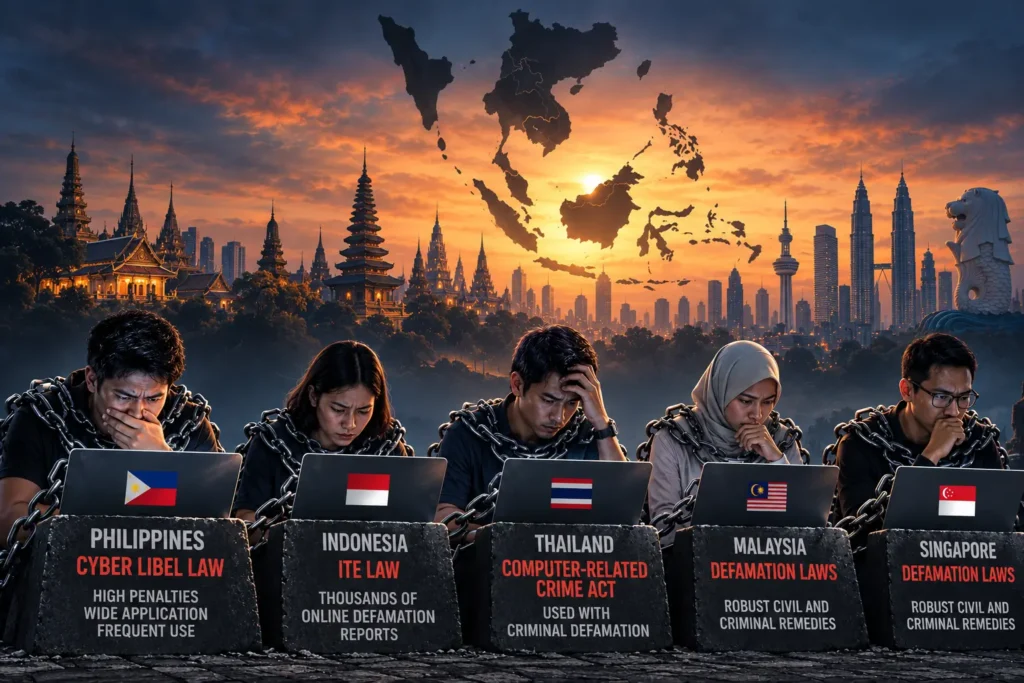
Similar patterns exist elsewhere in ASEAN, though rarely with the same combination of elevated penalties and expansive application seen in the Philippines. Indonesia’s Electronic Information and Transactions (ITE) Law has produced thousands of online defamation reports. Thailand’s Computer-Related Crime Act has been used alongside traditional criminal defamation. Malaysia and Singapore maintain robust civil and criminal remedies for online reputation injury. While these regimes vary in severity, the shared presence of criminal liability for digital statements creates a common concern for multinational firms: any public disagreement with officials, partners, or local competitors carries residual risk of personal criminal exposure to directors or executives.
These legal risks are compounded with structural ownership barriers. Longstanding foreign ownership limitation rules of 40% to 49% equity in certain industrial sectors, including many involving land, natural resources, and (historically) public utilities, pose daunting obstructions. Although recent reforms have liberalized telecommunications, renewable energy, and public services, the constitutional cores remain.
Foreign investors routinely treat the control stake ceilings and cyber libel laws as twin considerations of equal weight. Limited control reduces the ability to protect investments through governance and speech laws reduce the ability to protect them through transparent advocacy or dispute resolution. The result is a preference for jurisdictions offering both higher equity and clearer civil (rather than criminal) remedies for commercial disagreements.
A Way Forward?
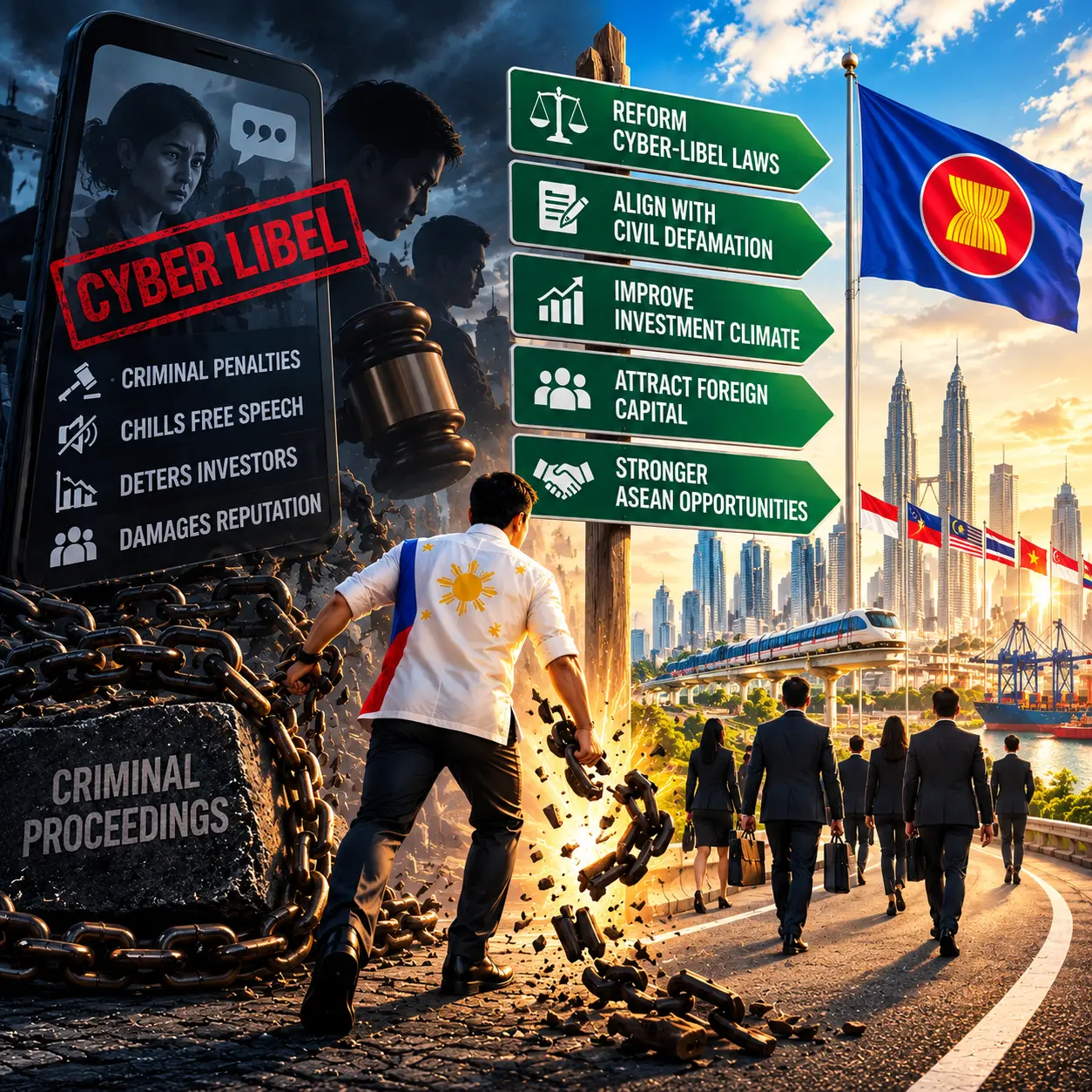 Repealing or substantially reforming the Philippines’ cyber-libel provisions would, apart from enhancing the country’s reputation by providing a more open society to its citizens and visitors, simultaneously serve as an example to ASEAN that it is serious about improving the investment climate.
Aligning penalties with ordinary civil defamation as framed in Western legal systems would limit the personal risk that currently deters FDI. Paired with liberalization of foreign equity frameworks, such a change would certainly brighten the economic future of the region.
Until these statutes are defanged, foreign capital will continue to discount ASEAN opportunities, particularly those requiring on-the-ground management presence or public engagement. The combination of ownership ceilings and criminal speech laws does not merely limit equity stakes; it shapes the willingness of ownership and senior management to remain, or to arrive at all.