
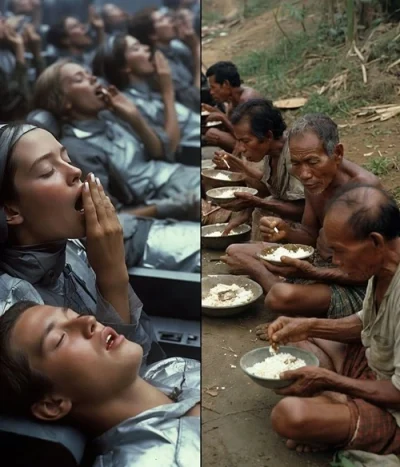
Rice Is Life
To Filipinos, the equivalent to Soma isn’t a pill – it’s a grain. Rice, the dietary and cultural heartbeat of the nation, functions with similar effect. Successive governments have wielded control over its price, supply, and availability, not merely for food security, but to pacify the masa (the vast working-class majority) and steer their votes. When rice is cheap and plentiful, discontent fades. When it spikes or supply dwindles, anger boils over at the ballot box. The parallel is uncomfortably precise: rice keeps stomachs full and minds quiet, preserving loyalty while deeper problems fester.
Rice is not just food in the Philippines; it is life. Filipinos consume more rice per capita than almost any other nation. For the masa, who spend a huge chunk of their income on food, the price of a kilo of rice can determine whether the family eats kanin at ulam or papak. A price hike ripples instantly through households, markets, and public mood. Politicians have known this for decades. As one landmark study from the Philippine Institute for Development Studies (PIDS) concluded after analyzing data since the 1950s, rice prices have been a “significant determinant” of election results, with only rare exceptions. High or unstable prices have doomed incumbents; stable or falling prices have helped them survive.
Food Bureaucracy
The mechanism that establishes pricing is the National Food Authority (NFA), long the government’s rice gatekeeper. Through subsidies, buffer stocks, imports, and direct sales of cheap rice, the state has effectively set the floor (and sometimes the ceiling) on what the masa pays. The policy is simple and brutally effective: buy high from farmers (or importers), sell low to consumers, and absorb the losses with taxpayer money. While this strategy induces chronic fiscal bleeding, it also produces grateful voters.
The playbook repeats every election cycle. Governments time massive, subsidized rice releases, slash prices, or roll out special programs just before polls. In 2025, ahead of midterm elections, the Marcos Jr. administration announced plans to sell rice inventories at heavily discounted rates, effectively halving prices in some cases, at a projected cost of about US$178 million. The Department of Agriculture even sought Comelec exemptions to continue NFA sales during the election ban period.
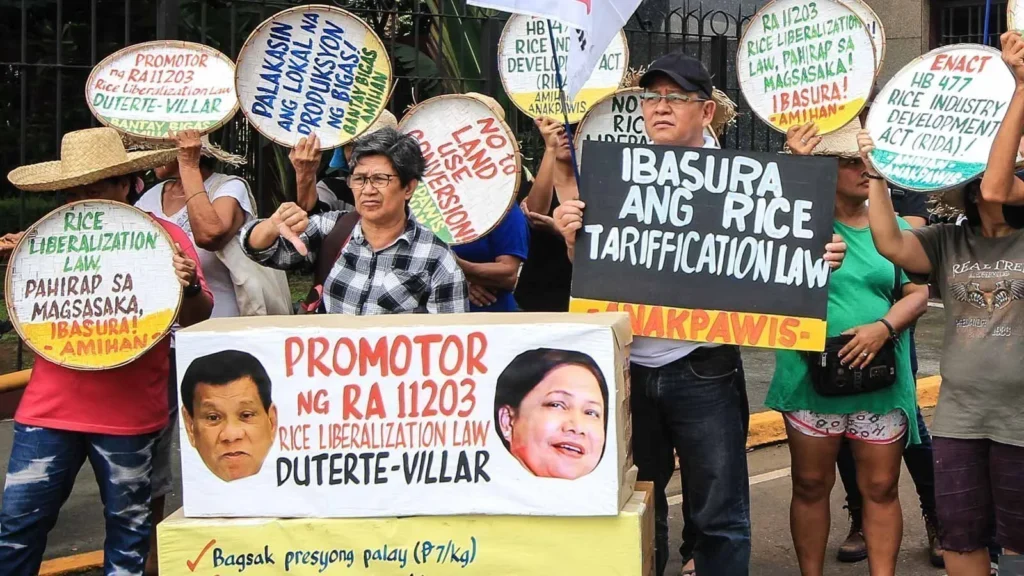
Critics, including Vice President Sara Duterte, openly called it a tool to boost administration candidates, perhaps forgetting the fact that her father did the same in 2019 by enacting the Rice Tariffication Law (RTL) which helped gain votes for his mid-term election bets. As his regime was plagued by corruption scandals and a feud with his Vice President, the discounts did not deliver expected wins for his camp. Similar patterns have played out under previous presidents, with cheap rice distribution, price ceilings, and anti-hoarding drives to keep the masa content.
This is Soma in action. Just as the drug in Brave New World suppresses negative emotions and discourages rebellion against the World State’s rigid hierarchy, subsidized rice dulls economic grievances in the Philippines. A family that can purchase P20-per-kilo government rice (when market prices hover higher) feels immediate relief. Hunger pangs subside. Daily anxiety eases. The impulse to demand systemic change, i.e. the fight against corruption land reform, or genuine agricultural modernization, weakens. Why rock the boat when the boat comes with a sack of discounted rice?
The Power Grain
The dependency runs deep. Opposition parties have long exploited rice shortages to hammer incumbents. “Nasaan ang bigas?” – “Where is the rice?” has been a classic rallying cry for decades. Ruling parties counter by flooding markets with cheap imports or NFA stocks. The masa, many of whom are urban poor or rural laborers with limited political information, respond rationally in the short term – they reward the provider of the staple. Vote-buying studies in the Philippines show that patronage often targets the poor through tangible goods, with rice being the ultimate motivator. It is distributed at rallies, handed out by barangay captains, or quietly promised through local networks.
Yet, like any narcotic, the Rice Soma comes with long-term side effects. The subsidies are enormously expensive and inefficient. The NFA has racked up massive losses year after year while failing to modernize the sector. Local farmers often lose out when cheap imports flood in under the RTL (defended by powerful Duterte-linked interests). Domestic productivity stagnates. Corruption scandals, hoarding, smuggling, and cartel-like behavior surface regularly, yet the political incentive to fix the root causes remains low as long as the short-term fix keeps votes flowing.
Even more insidious is the psychological and political numbing. When governments can manipulate the price of the one thing the masa cannot live without, they can postpone harder conversations about corruption, inequality, dynastic politics, and elite capture of agriculture. The masa gets its daily Soma ration – affordable rice – and the elites maintain power without delivering transformative governance. It is populism dressed as compassion. Bread and circuses, Filipino-style, with rice as the center of their universe.
Changing Perceptions Of The Masa
Huxley warned that the real danger to freedom wasn’t the boot on the face but the pleasure that made people love their servitude. In the Philippines, rice politics risks exactly that. Thanks to the internet and smart phones, the masa is becoming smarter and less apathetic; many are starting to understand the game. Yet when survival hinges on the next harvest or the next subsidized sack, immediate relief often trumps long-term reform at the ballot box.
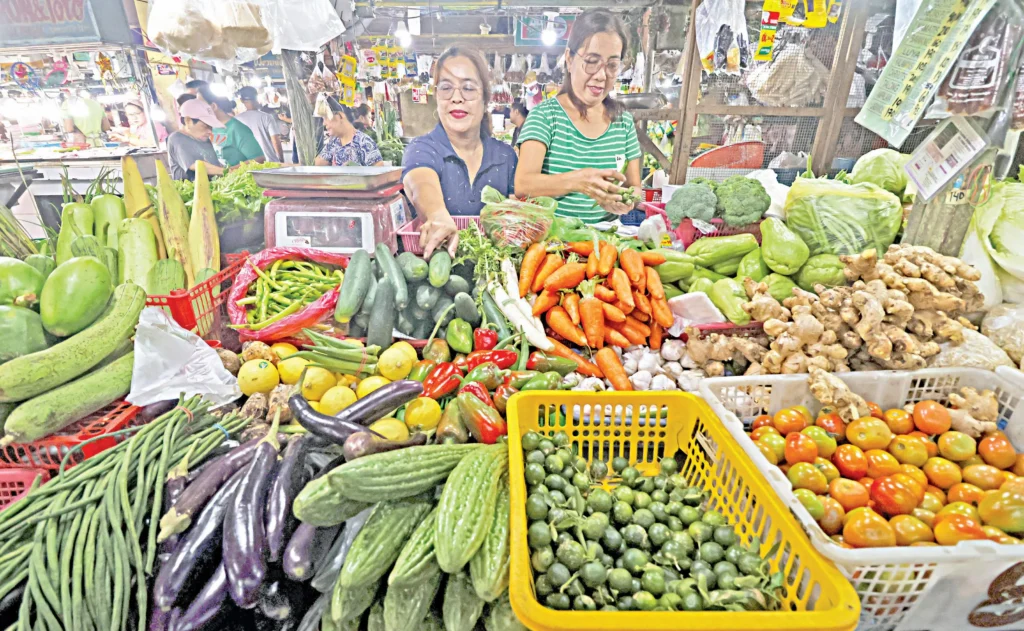
True food security would mean higher yields, resilient local production, transparent markets, and policies that lift farmers and consumers alike, not perpetual subsidies timed for elections. Until voters demand more than the political equivalent of a “gramme” of Soma, rice will remain the government’s most potent, and most subtle, instrument of control.
International analysts posit the masa deserve better than a diet of subsidized dependency. They need a system where rice is plentiful because the country grows it efficiently, not because politicians dole it out like candy to keep the peace. Only then might the Philippine Soma lose its grip.
Great article. This is not only happening in the Philippines. Every country has things people depend on every day that can affect politics. In the Philippines it is rice. In the US people get upset over gas prices, food prices, and the economy too. When basic living costs go up, people usually blame the government.