
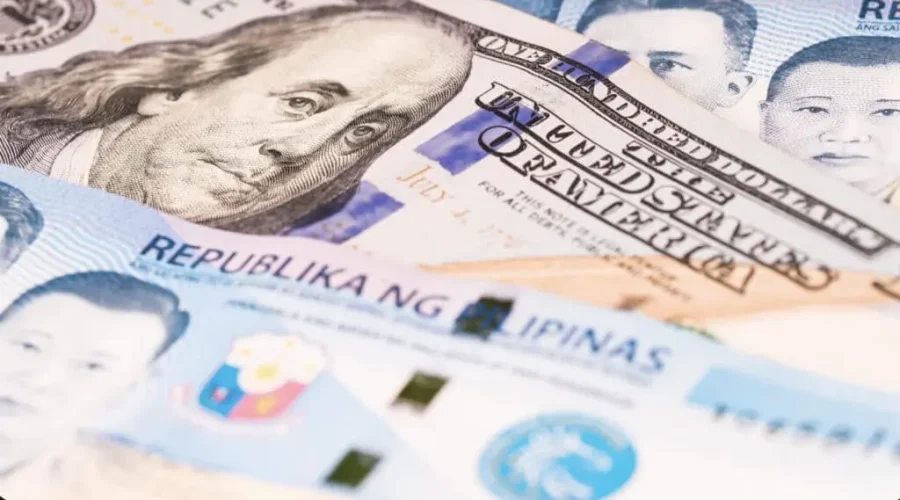
One prominent local voice, economist Emmanuel Leyco of Credit Rating and Investors Services Philippines (formerly linked to governance-focused analysis), has warned that a move beyond 60 PHP per USD would be “very, very troublesome,” pushing inflation higher and potentially forcing the BSP to respond with rate hikes that make borrowing and production more expensive. Other analysts have quantified the risk: a weakening peso could add as much as 2 percentage points to inflation by raising prices of basic commodities.
Of course, there is a silver lining for millions of families reliant on overseas Filipino workers (OFWs) for supplemental income. Already a cornerstone of the consumption-driven economy, remittances convert into more pesos when the dollar strengthens. Bloomberg analysts noted in January 2026 that this boost to domestic purchasing power could spur spending, providing short-term relief to households even as overall prices rise.
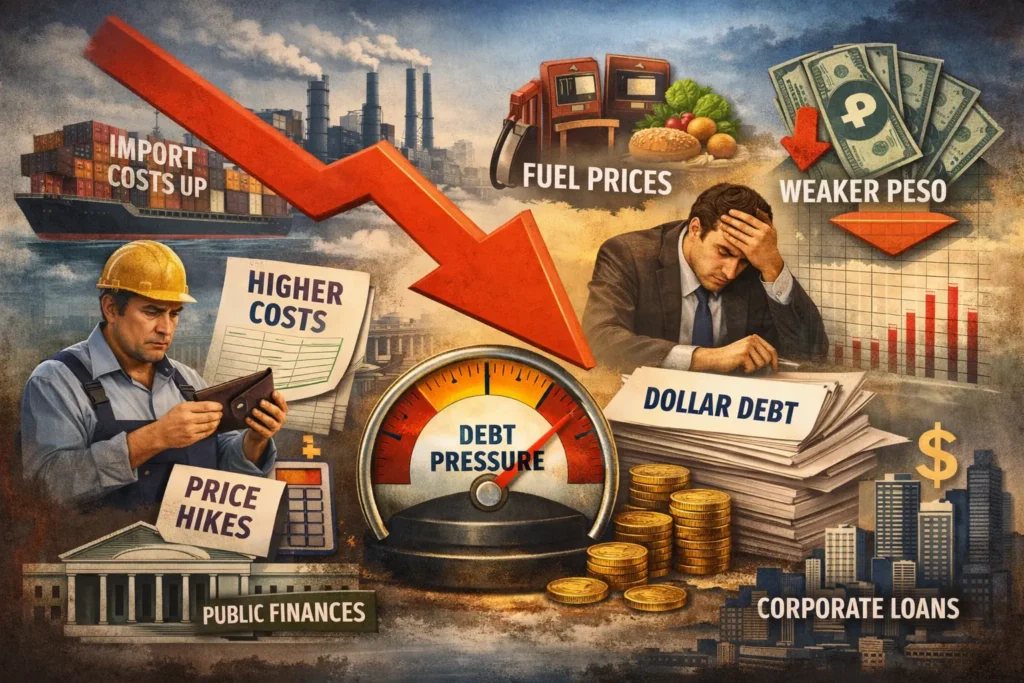
Businesses face a similarly mixed but predominantly challenging picture in the near term. Importers and manufacturers using foreign raw materials or equipment see production costs spike, forcing them either to pass on higher prices to consumers or absorb thinner margins. Robert Dan Roces, economist at SM Group, cautioned that “a weaker peso can feed into higher fuel, food and debt costs, potentially weighing on growth.” Government and corporate dollar-denominated borrowings also become costlier to service in local currency, adding pressure on public finances and private balance sheets.
On the brighter side, exporters and the business-process outsourcing (BPO) sector gain competitiveness. Filipino goods and services become cheaper abroad, while dollar revenues convert into more pesos, offering a short-term revenue lift. UnionBank analysts highlighted this potential alongside remittances as a way to support growth “if GDP rebounds sharply,” though they stressed that persistent weakness favors hedging and dollar purchases by corporates.
The BSP has signaled tolerance for measured depreciation, describing the exchange rate as largely market-determined while committing to intervene only to curb excessive volatility that threatens imported inflation. Governor Eli Remolona and Monetary Board members have emphasized that day-to-day swings will not be fought, but prolonged weakness that reignites price pressures may prompt action.
International bank analysts, including those at BMI Research (London), ANZ (Australia and New Zealand), and MUFG (Japan), broadly expect the peso to test 60+ PHP before any recovery, with BMI explicitly predicting BSP intervention “against huge downside volatility beyond 60-per-dollar to curb imported inflation.”

John Paolo Rivera of the Philippine Institute for Development Studies (PIDS) and other local observers stress that any sustained peso recovery will ultimately hinge less on monetary tweaks and more on stronger investment inflows, export performance, and restored investor confidence, factors that remain elusive amid governance issues and external pressures.
In the short term, a weakening peso acts as a double-edged sword: it delivers a modest consumption and export boost for some while imposing immediate inflationary and debt burdens on the broader economy. As Leyco and peers have underscored, without addressing underlying vulnerabilities, the pain for businesses and ordinary Filipinos risks outweighing the temporary gains. Analysts across local and global institutions agree that hedging, diversified sourcing, and productivity reforms are now urgent priorities to weather the volatility ahead.