
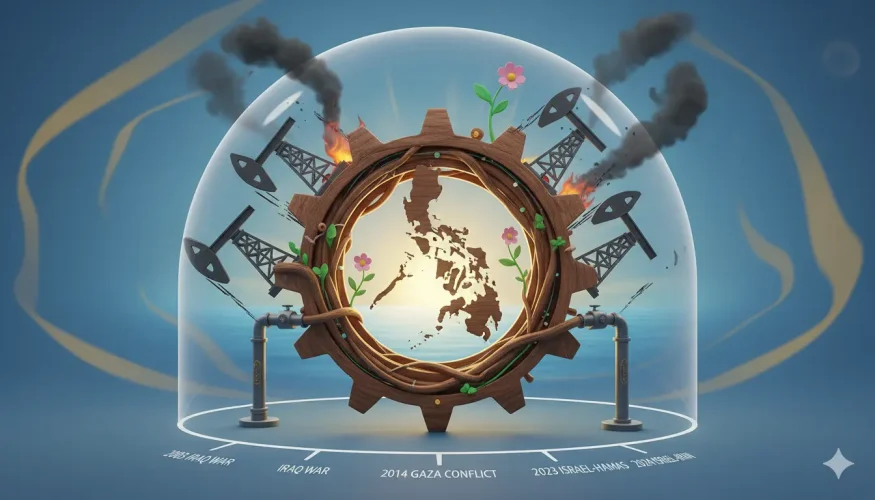
History shows a narrative of resilience. The Philippines has weathered similar oil shocks before, drawing on deep cultural strengths to adapt and endure. With current leadership facing criticism for weak economic stewardship amid corruption scandals, however, questions loom over whether Filipino fortitude alone will suffice to prevail or if systemic weaknesses may unleash disaster.
Navigating the Iraq War Oil Turbulence in 2003
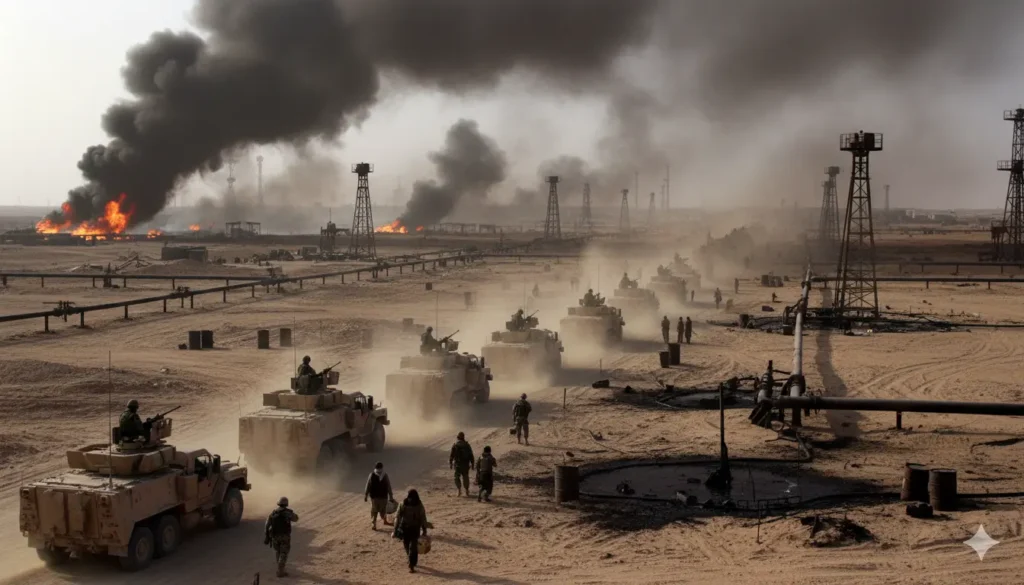
The 2003 US invasion of Iraq serves as a stark case study in the Philippines’ exposure to Middle East instability. As hostilities began, global oil markets braced for disruption, with futures prices fluctuating amid fears of supply shortages. The Philippines, heavily reliant on imported oil and OFW remittances from the Gulf, faced dire warnings from its own finance secretary, Juanita Amatong, who stated, “A prolonged war could spell disaster due to the country’s dependence on funds sent home by workers in the region.” With a 70-day oil inventory at the time, the government scrambled to secure alternative supplies from Asian neighbors, highlighting the nation’s precarious energy security.
Despite the volatility (oil prices climbed before the invasion and then dipped as markets adjusted) the Philippine economy demonstrated notable resilience. Growth held steady, buoyed by diversified remittances and domestic consumption, which mitigated the inflationary pressures from higher energy costs.
Analysts noted that while the conflict widened the current-account deficit and pressured the peso, the Philippines avoided a full-blown crisis through prudent stockpiling and international alliances. This episode underscored a pattern: external shocks test the economy, but adaptive measures and household-level coping strategies often blunt the worst impacts.
The 2025 Israel-Iran Skirmish
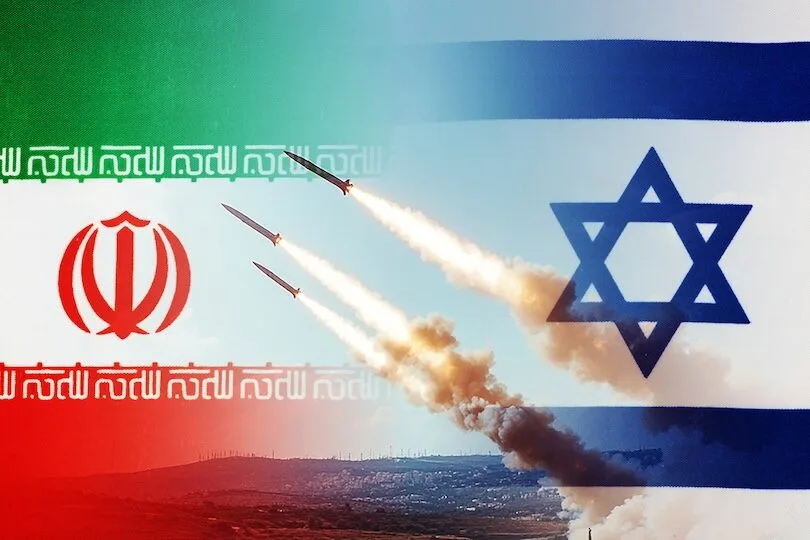
Fast-forward to last year’s 12-day war between Israel and Iran, which erupted in June 2025 and quickly escalated into US strikes on Iranian nuclear sites. The conflict, though short-lived, drove oil prices up by 10.1%, exacerbating global economic risks and hitting import-dependent nations like the Philippines hard. With threats to key shipping routes, fuel prices in the archipelago rose sharply, contributing to renewed inflation pressures and straining the peso.
Once again, resilience shone through. The economy absorbed the shock without tipping into recession, thanks in part to remittances that continued flowing despite regional tensions. Household consumption, fueled by these inflows, acted as a stabilizer, while government interventions like staggered price adjustments helped contain inflation.
Economists at the time warned of structural vulnerabilities, such as no domestic oil buffers and limited subsidies, but the brief duration of the conflict allowed for a swift recovery, with growth rebounding in subsequent quarters. This resilience echoed the 2003 experience, proving the Philippines’ ability to navigate short-term disruptions through economic diversification and global labor exports.
“Bamboo Spirit” of the Filipino People
At the heart of this endurance lies the Filipino cultural fortitude, often likened to bamboo – bending in the storm but never breaking. Rooted in a history of colonialism, natural disasters, and economic hardships, traits like bayanihan (community cooperation), family-centric support, and adaptability form the bedrock of societal resilience. Families serve as the primary safety net, pooling resources during crises, while the indomitable optimism and work ethic of Filipinos enable quick pivots, whether through side hustles or overseas opportunities.
In economic terms, this translates to a workforce renowned for its versatility and grit. OFWs, for instance, embody this strength. Despite risks, their remittances – contributing about 8.3% to GDP – provide a reliable buffer against external shocks. Cultural values like katatagan (resilience) foster innovation at the grassroots level, from community-led disaster responses to entrepreneurial ventures that sustain local economies. These strengths have historically turned potential catastrophes into stories of survival, as seen in the aftermath of COVID and the 2003 / 2025 conflicts.
The Current Crisis – Fortitude vs. Leadership Frailties
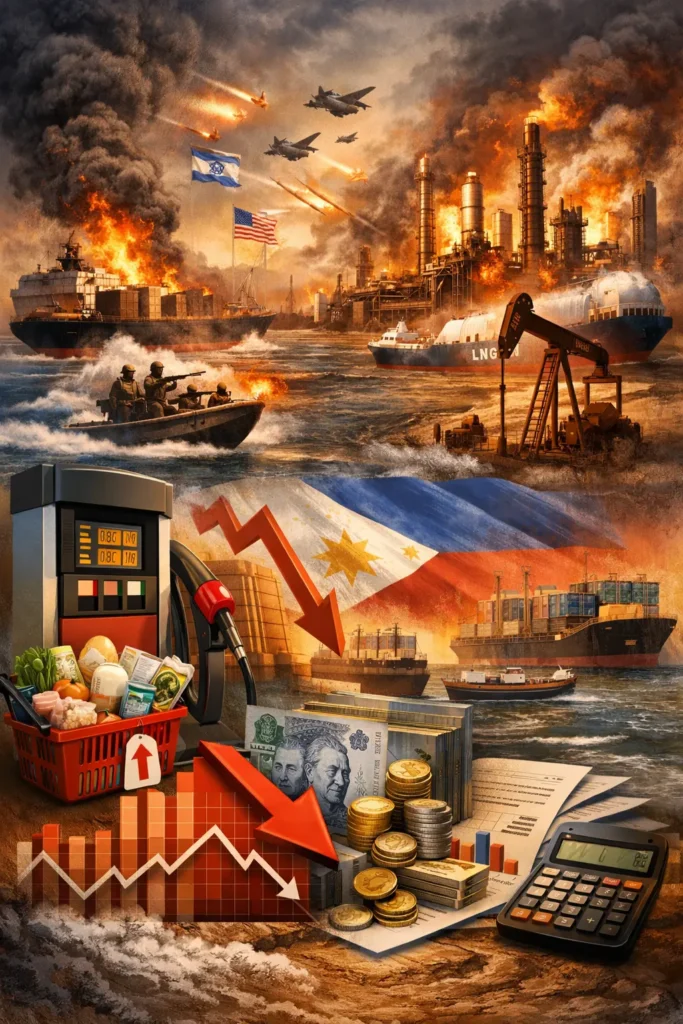 Today, the US-Israel-Iran war poses the most severe test yet. Oil prices have spiked, with threats to push crude to $200 a barrel amid disruptions in the Strait of Hormuz and halted LNG production in Qatar. For the Philippines, this means an estimated P3 per liter increase in fuel prices, ballooning import bills by up to P180 billion (0.7-0.8% of GDP), and heightened inflation risks. The government cites a 50–60-day oil buffer as a safeguard, but experts warn of prolonged impacts, including wider current-account deficits and peso depreciation.
Cultural resilience will undoubtedly play a role, with communities rallying through bayanihan to share resources, families tightening belts, and OFWs persevering amid dangers. However, the administration under President Ferdinand Marcos Jr. faces scrutiny for its handling of the crisis.
Already grappling with missed GDP targets for three consecutive years (growth likely at 4.6% in 2025, below the 5.5-6.5% goal), the government has been criticized for weak leadership and corruption scandals. Public trust has plummeted amid flood control graft probes and political feuding with the Duterte clan, shifting focus from economic safeguards.
Critics argue that without decisive action, such as expanding fiscal space for subsidies, enhancing OFW repatriation plans, or building a strategic petroleum reserve, the crisis could spiral. Marcos remains optimistic about a 2026 rebound, pointing to easing inflation (1.7%) and policy rate cuts to 4.75%.
Yet, with debt service consuming nearly half of revenues and no robust buffers against prolonged conflict, the risk of stagflation looms. As one analyst noted, the Philippines is among Asia’s most susceptible economies, lacking the subsidies of peers like Indonesia.
Triumph Through Grit or Turmoil from Inaction?
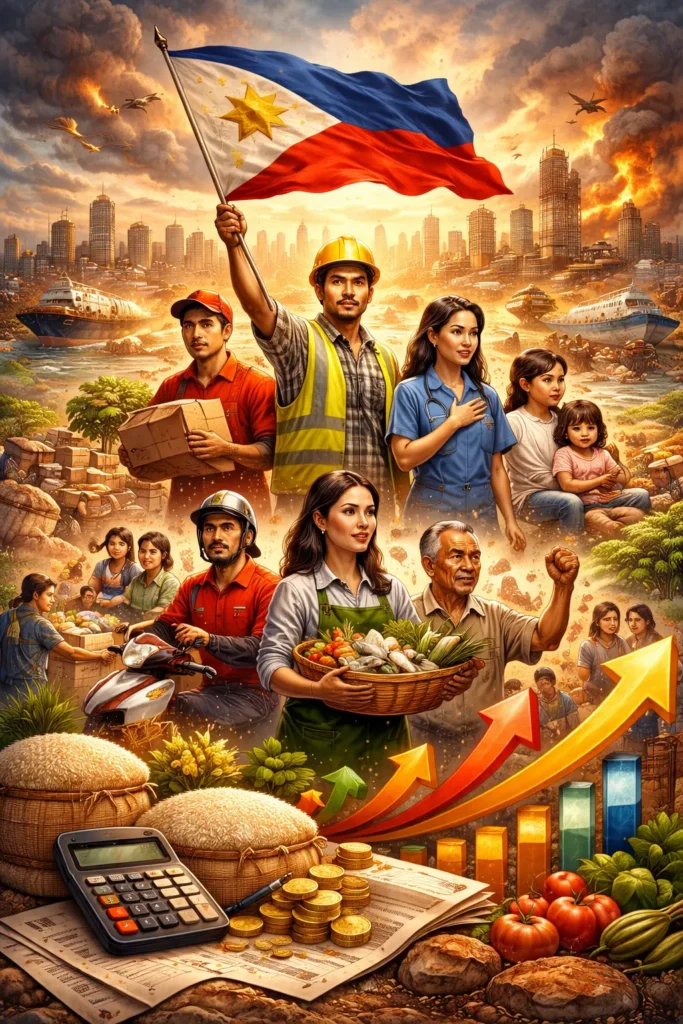
The Philippines’ track record of bouncing back from Middle East energy cost shocks is a testament to its people’s unyielding spirit. Cultural pillars like resilience and community solidarity have repeatedly turned adversity into opportunity, sustaining growth amid global turmoil. But the current war amplifies longstanding vulnerabilities, and leadership’s ability to translate Pinoy backbone into policy will be decisive.
If Marcos can restore public trust through transparent reforms and proactive measures, the nation may emerge stronger. Otherwise, weak governance could exacerbate the mess, turning cultural strengths into mere survival tools rather than engines of prosperity. As the conflict rages, the world watches… and Filipinos endure.