
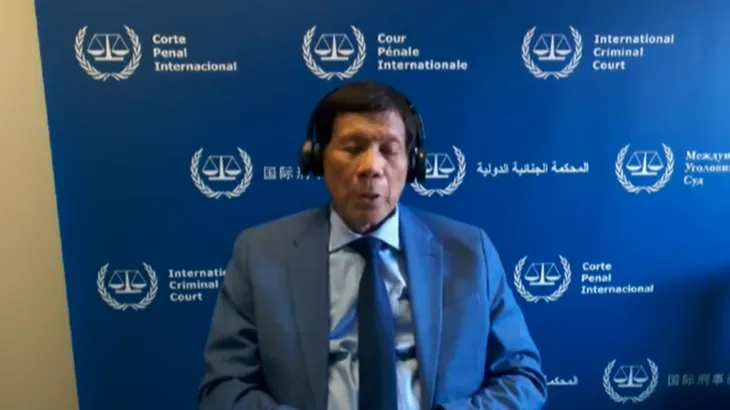
Lead Defense Counsel Nicholas Kaufman’s presentation during the ICC’s confirmation of charges hearings for Rodrigo Duterte, held from February 23-27, has been described variably, depending on the perspective, as strong and dismantling by Duterte supporters, but inconsistent, theatrical, and ultimately unconvincing by critics, legal analysts, and some academic observers. While Kaufman mounted a multifaceted challenge to the prosecution’s case, key inconsistencies in his arguments and judicial feedback suggest it fell short of full credibility for many.
Key Arguments Presented by the Defense
Kaufman focused on several core themes across the hearings:
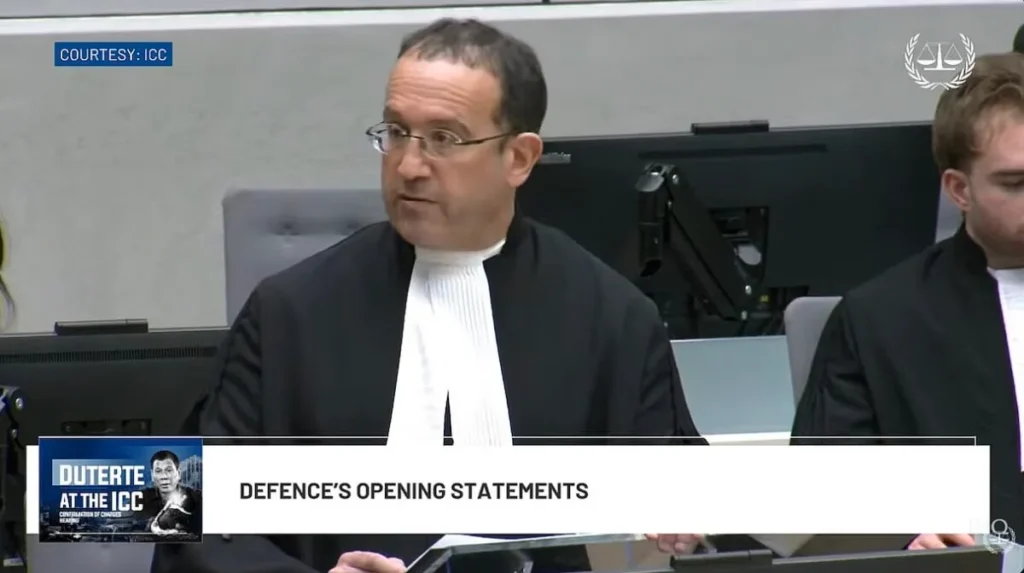
- Lack of Causal Link and “Smoking Gun”: He repeatedly argued that prosecutors failed to establish a direct “causal nexus” between Duterte’s public statements (i.e., speeches encouraging killings) and specific incidents of murder. He claimed there was no evidence of a “common plan” or criminal intent, describing the prosecution’s theory as “rhetoric in search of causation” rather than proof.
- Witness Credibility: Kaufman attacked the prosecution’s witnesses as “self-confessed vicious murderers” who were unreliable, motivated by incentives like limited immunity, and potentially linked to political figures such as President Ferdinand Marcos Jr. He questioned the integrity of their testimonies and the prosecution’s investigative methods, alleging bias and selective evidence.
- Duterte’s Rhetoric and Intent: He portrayed Duterte’s statements as exaggerated or hyperbolic (“Tatay Digong was fond of exaggerating…”), not literal orders, and emphasized that killings continued post-Duterte’s presidency, suggesting no direct policy link. Kaufman also highlighted Duterte’s health issues and pleaded for charges not to be confirmed, framing it as allowing Duterte to “live out the rest of his days in peace.”
- Burden of Proof and Police Reports: Kaufman insisted the prosecution must disprove the authenticity of police documents (“nanlaban” narratives claiming self-defense) rather than assuming falsification, invoking a presumption of regularity for state records.
Evaluations of Credibility and Effectiveness
- Positive Views (from Duterte Allies and Supporters): Duterte’s Philippine legal team, including former Presidential Spokesperson and Legal Counsel during the Administration, Salvador Panelo, praised Kaufman’s presentation as having “shattered” the prosecution’s case “into pieces,” citing thorough rebuttals of evidence and a strong emphasis on insufficient links. They viewed it as a comprehensive dismantling, with Kaufman having prepared extensively over a year. Kaufman himself expressed confidence post-hearing, calling it a “privilege” to defend Duterte.
- Critical Views (from Opponents, Analysts, and Observers): Critics highlighted inconsistencies, such as Kaufman’s Day 1 claim that “Duterte’s word was his word and the people knew it” (implying reliability), contrasting with his Day 3 assertion that “one cannot rely on anything coming out of Mr. Duterte’s mouth” (dismissing statements as unreliable exaggeration).
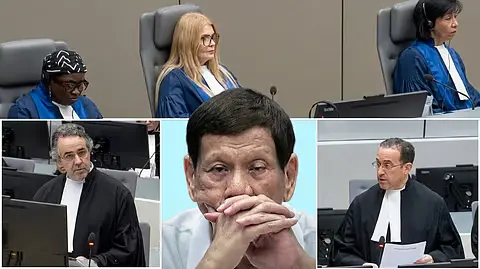
ICC prosecutor Julian Nicholls called this out as a “mistake and inconsistency.” Presiding Judge Julia Antonella Motoc rebuked Kaufman’s style as overly “stylistic and theatrical,” urging focus on “substance.” Commentators, including former Senator Leila de Lima, argued that Duterte’s own admissions – such as boasting about killings – undermine the defense’s denial of intent, making Kaufman’s downplaying of rhetoric less credible.
Some media and user comments labeled his arguments “self-contradicting” or weak, especially for blaming political motives without strong evidence.
- Neutral or Balanced Assessments: Reports from outlets like ABS-CBN and VERA Files noted Kaufman’s sharp language and detailed challenges but emphasized the prosecution’s rebuttals, suggesting the defense relied more on discrediting opponents than affirmatively proving innocence. No independent legal experts in researched sources unanimously deemed Kaufman’s defense “credible,” with the judge’s admonition indicating it risked undermining its own persuasiveness.
Overall, while Kaufman was prepared and aggressive, his strategy credibility appeared mixed at best, bolstered by supporters but weakened by internal contradictions and stylistic issues, as evidenced by courtroom feedback and analyses. The pre-trial chamber’s decision on charge confirmation, expected within 60 days, will inevitably gauge its effectiveness.
Win or lose, at an estimated 7 to 8 million US Dollars in retainer and other fees that the Duterte family is rumored to have committed to Kaufman himself – not taking into account what his team of 5 lawyers working co-counsel might be paid – the defense of Rodrigo Duterte could very well be “Attorney Nick’s” golden parachute, his proverbial swan song, aka. the last case he would ever need to try. A “privilege”, indeed.
This may be the ICC’s biggest case after Milosevic, which was actually adjudicated by the ICJ.