

Not Your Average, Dainty Flowers of Femininity
Internet sleuths have lately noted that recent anti-ICE (U.S. Immigration and Customs Enforcement) demonstrations appear to feature a disproportionate percentage of white women in the unruly crowds, often described in viral videos as “manly,” “hefty,” or lesbian-identifying on social media. This is now catching the attention of academic investigators looking at broader sociological patterns in modern U.S. activism.
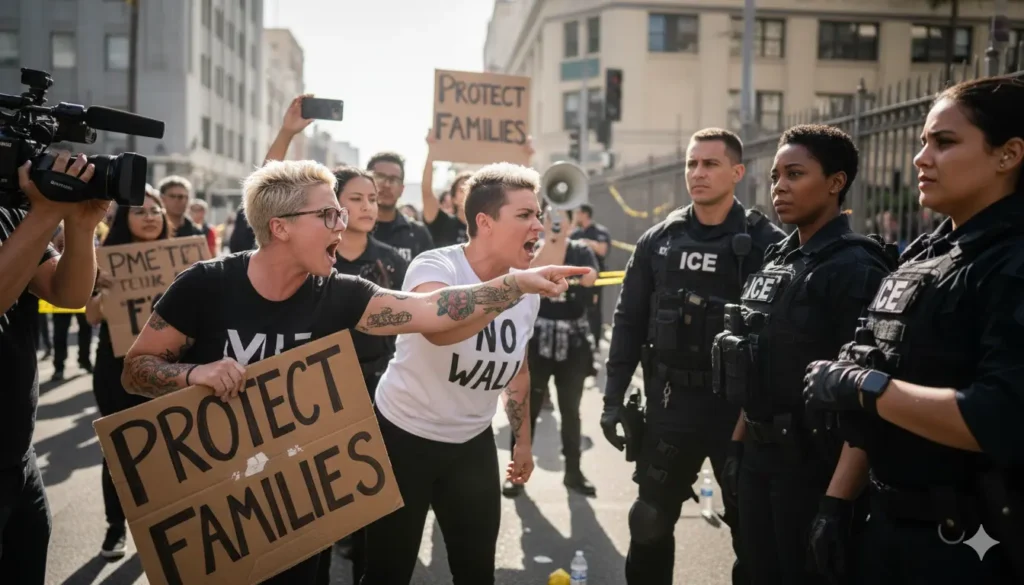
While comprehensive demographic data on this particular genre of protesters is limited (surveys from events like the June 2025 Los Angeles riots against mass deportations don’t break participants down by race, gender, or sexual orientation in detail), the perception is amplified by high-profile confrontations shared online, especially on X.
These often highlight white women leading chants, blocking vehicles, or clashing with ICE agents, who are frequently portrayed online in protester forums as masculine, authoritative figures. Substantiated reasons for this apparent trend, drawing from discussions across political spectrums, include both conservative critiques and liberal self-reflections.
Privilege and Lower Personal Risk
White women, particularly those from middle-class or educated backgrounds, face fewer direct risks in protesting compared to immigrants or people of color. In areas like Los Angeles, where protests erupted over ICE raids targeting Latino communities, non-white participants might avoid visible roles due to fears of racial profiling, arrest/deportation, or retaliation, issues exacerbated by Supreme Court rulings allowing ICE to use race as a factor in stops.
White protesters, by contrast, can act as “allies” without the same vulnerabilities, leading to their overrepresentation in front-line actions. This aligns with broader patterns in U.S. protests, where non-affected groups (white participants in Black Lives Matter or immigration rallies) often take prominent roles due to relative safety. Critics argue this is a form of “white saviorism,” where privileged individuals insert themselves for moral self-validation, and viral clips reinforce the stereotype of entitled “Karens” who assume they can bully authorities without consequences.
Demographic Overlap with Liberal Activism
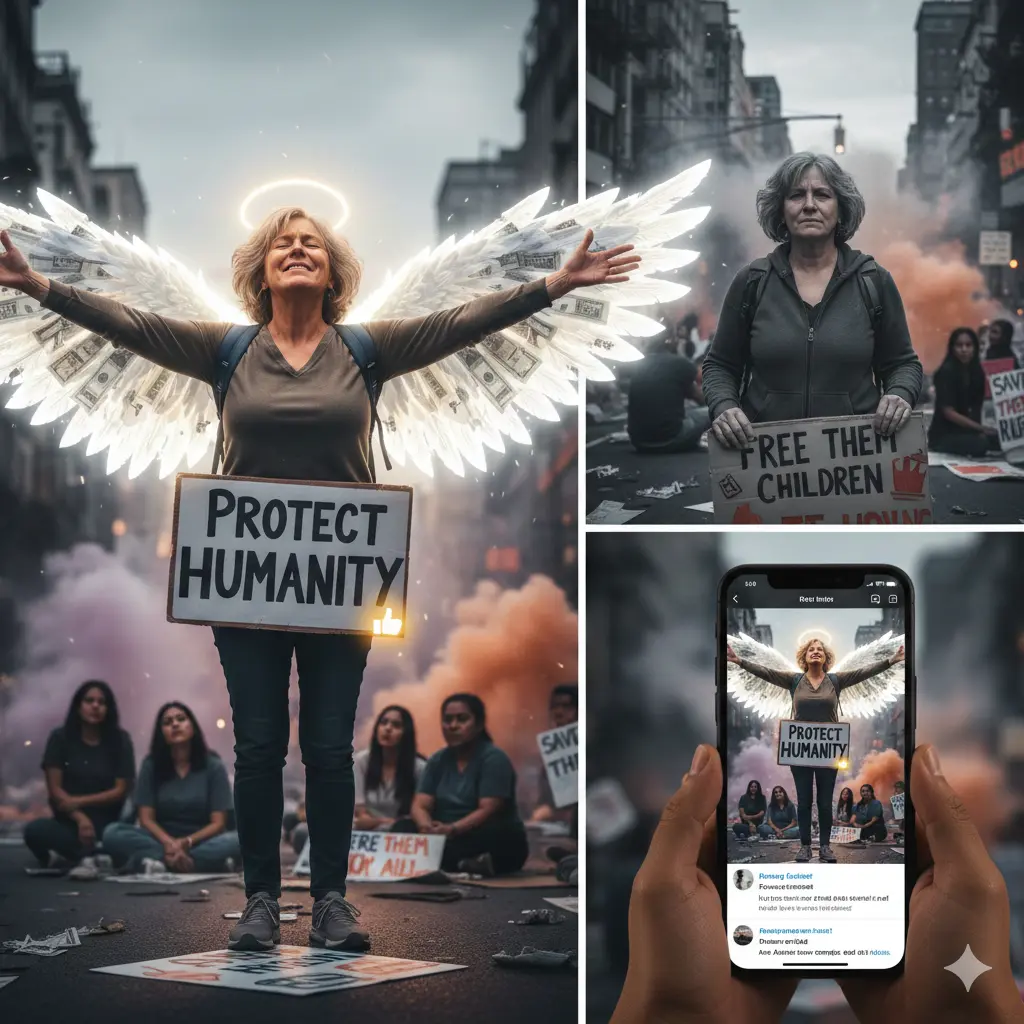
Liberal white women, especially those who are college-educated and middle-aged, dominate certain progressive causes. Research from events like the October 2025 “No Kings” protests (against perceived authoritarianism, including immigration policies) showed participants were 86% white and 72% female, with a median age of 44 and high education levels. This mirrors trends in anti-ICE actions, where white women are seen as the “face” of resistance. Contributing factors include:
- Time and Resources: Middle-aged white women often have more flexible schedules (post-childrearing or part-time work) to attend daytime protests, unlike working-class or minority groups.
- Social Acceptance and Virtue Signaling: As a group sometimes criticized for privilege, white women may overcompensate by adopting activist personas to gain approval in liberal circles. This is especially true for those feeling “disdained” for their whiteness, leading to performative allyship.
- Intersection with Other Causes: Anti-ICE protests often intersect with feminist, LGBTQ+, and anti-racism movements, attracting women who identify as lesbian or gender-nonconforming. Observers note these subgroups are vocal because the protests serve as outlets for broader frustrations with patriarchy or “toxic masculinity,” embodied by ICE agents.
Psychological and Cultural Factors
More academic explanations from clinical commentators frame this as rooted in unmet needs or cultural shifts:
- Frustration and Release: Some argue liberal white women, facing “estrogenized” or passive male counterparts in their circles, seek kinetic conflict with strong, masculine figures like ICE officers as a subconscious outlet for sexual or emotional frustration. This view gained traction after videos showed protesters smiling during confrontations, interpreted by mental health clinicians as thrill-seeking rather than pure ideology.
- Feminist Testing Ground: Protests become arenas to challenge male authority, with “manly” or lesbian women leading due to their alignment with anti-patriarchal themes. This ties into broader narratives of white women hating men or testing boundaries in a society where they’ve rarely faced pushback.
- Self-Hatred or Ethnic Dynamics: In mixed protests, white women may express racial self-hatred or over-allyship, contrasting with non-white participants’ self-interest. This is echoed in examples of similar events, like drag queen story hours or remigration rallies, where white moms dominate.
Counterpoints and Broader Context
Not all sources agree the protests are “predominantly” white women (LA’s high Latino population – over 48% Hispanic – suggests diverse involvement) but both mainstream and social media have displayed a high percentage of dramatic clashes involving white female protesters, one of which resulted in the shooting death of 37-year old mom-turned-lesbian Renee Good in Minneapolis. Majorities of Democrats and independents support anti-ICE protests, and some see the white woman focus as a right-wing smear to delegitimize the movement.
Paid agitation is in the process of being researched by law enforcement and sociologists studying the phenomenon. Also, “woke brain rot” is speculated on the right. Ultimately, the “hefty lesbian” stereotype may reflect bias in viral content rather than reality, but it persists because it fits cultural tropes of liberal activism. It is notable that, despite the tsunami of social media attention leading viewers to believe the contrary, only 47% of white women in the US are registered Democrats or left-leaning.
Perhaps serendipitously, Filipinos are able to sit back, relax and giggle at videos on their smart phones displaying the antics of the things they have had the least experience with when it comes to Americans – White Women – and wonder what in the world is going on in their privileged heads when more than half of their own country reports being stuck in appalling poverty.